PRZEMYSŁAW ZDUNEK

Herpetologist

Naturalist, traveler, French-Polish herpetologist, interested in biodiversity and the conservation of herpetofauna – especially lizards. Member of the IUCN SSC Monitor Lizard Specialist Group, administrator and co-chair International Commission of the Société Herpétologique de France (SHF), and Director’s Board Member of Reptile Amphibian Conservation Europe (RACE)

Naturalist, traveler, French-Polish herpetologist, interested in biodiversity and the conservation of herpetofauna – especially lizards.

Latest posts

Get the latest updates, announcements, and stories straight from my Facebook page.

Comments Box SVG iconsUsed for the like, share, comment, and reaction icons

The Bengal Monitor's Unusual Meal: A First for Pakistan 🦎

🦎The Bengal Monitor (Varanus bengalensis) is a highly adaptable and diurnally active predator found across southern Asia. Despite its status as a top predator that consumes a wide variety of prey—including insects, snakes, and small mammals—it is currently listed as Near Threatened on the IUCN Red List. Understanding its diet and hunting strategies is essential for evaluating its role in shaping the ecology and distribution of other species within its ecosystem

🕵‍♀️ During a herpetofauna survey in July 2025 in the Jhelum District of Pakistan, a subadult Bengal Monitor was observed moving near an agricultural area. The lizard stopped and regurgitated an adult Indus Valley Toad (Firouzophrynus stomaticus) that appeared nearly intact, suggesting it had been ingested very recently. This event is significant as it represents the first documented observation of regurgitation for this species in Pakistan.

👀 While some varanids can consume toxic toads without ill effects, many species exhibit a strong aversion to them. In regions like Australia, the consumption of invasive toxic toads has even led to documented population declines in monitor lizards. This specific interaction in Pakistan highlights the complex predator-prey dynamics that drive natural selection and food-web structure.

👉 more:

Ahmed Junaid. (2026). First Documented Observation of Regurgitation by a Bengal Monitor, Varanus bengalensis (Daudin 1802), in Pakistan. Reptiles & Amphibians, 33, 24363.

Photos: Ahmed Junaid

#herpetology #science #nature #Varanus #monitorlizard #Pakistan #wildlife #ecology #reptiles #biology #research
... See MoreSee Less

The Bengal Monitors Unusual Meal: A First for Pakistan 🦎

🦎The Bengal Monitor (Varanus bengalensis) is a highly adaptable and diurnally active predator found across southern Asia. Despite its status as a top predator that consumes a wide variety of prey—including insects, snakes, and small mammals—it is currently listed as Near Threatened on the IUCN Red List. Understanding its diet and hunting strategies is essential for evaluating its role in shaping the ecology and distribution of other species within its ecosystem

🕵‍♀️ During a herpetofauna survey in July 2025 in the Jhelum District of Pakistan, a subadult Bengal Monitor was observed moving near an agricultural area. The lizard stopped and regurgitated an adult Indus Valley Toad (Firouzophrynus stomaticus) that appeared nearly intact, suggesting it had been ingested very recently. This event is significant as it represents the first documented observation of regurgitation for this species in Pakistan.

👀 While some varanids can consume toxic toads without ill effects, many species exhibit a strong aversion to them. In regions like Australia, the consumption of invasive toxic toads has even led to documented population declines in monitor lizards. This specific interaction in Pakistan highlights the complex predator-prey dynamics that drive natural selection and food-web structure.

👉 more:

Ahmed Junaid. (2026). First Documented Observation of Regurgitation by a Bengal Monitor, Varanus bengalensis (Daudin 1802), in Pakistan. Reptiles & Amphibians, 33, 24363.

Photos: Ahmed Junaid

#herpetology #science #nature #Varanus #monitorlizard #Pakistan #wildlife #ecology #reptiles #biology #research

𝐍𝐞𝐰 𝐈𝐧𝐬𝐢𝐠𝐡𝐭𝐬 𝐢𝐧𝐭𝐨 𝐕𝐚𝐫𝐚𝐧𝐮𝐬 𝐬𝐚𝐥𝐯𝐚𝐭𝐨𝐫 𝐄𝐯𝐨𝐥𝐮𝐭𝐢𝐨𝐧 𝐭𝐡𝐫𝐨𝐮𝐠𝐡 𝐇𝐢𝐠𝐡-𝐐𝐮𝐚𝐥𝐢𝐭𝐲 𝐆𝐞𝐧𝐨𝐦𝐢𝐜𝐬

🦎The water monitor lizard, Varanus salvator, is one of the largest extant lizard species, widely distributed across South and Southeast Asia. Despite its ecological significance and status as a protected species, high-quality genomic resources for this taxon have been limited until now.

👨‍🔬Researchers have created a highly precise "genetic roadmap" for the water monitor lizard, which is now one of the most detailed blueprints available for any lizard species.

🧐This study identified over 19,000 individual genes that dictate how this reptile grows and functions, providing new insights into how it successfully adapted to both aquatic and terrestrial environments.

📍By mapping the DNA down to the chromosomal level, scientists can now clearly distinguish genetic differences between sexes and better understand the species' evolutionary history. These findings serve as a critical foundation for future conservation efforts and molecular research aimed at protecting this ecologically important predator.

🔬In a study published in Scientific Data (2026), researchers presented a chromosome-level genome assembly for V. salvator, generated using an integrated multi-omics approach (Illumina, PacBio SMRT, 10x Genomics, and Hi-C).

Key Technical Specifications:

Genome Size: 1,645 Mb, with 97.4% of sequences anchored onto 20 pseudochromosomes.

Assembly Quality: Contig N50 of 27.34 Mb and a BUSCO completeness score of 96.7%.

Gene Annotation: Identification of 19,347 protein-coding genes, of which 98.8% are functionally annotated.

Sex Chromosomes: Comparative analysis identified the 16th chromosome as the Z sex chromosome.

👉 This high-quality assembly provides a critical foundational resource for future research into reptilian evolution, metabolic adaptation, and conservation genetics for this CITES-listed species.

References:

Du, Y., Zhu, X.-M., Yao, Y.-T. et al. 2026. Chromosome-scale genome assembly and annotation of the water monitor lizard, Varanus salvator. Sci Data.

#Herpetology #Genomics #VaranusSalvator #WaterMonitor #GenomeAssembly #MolecularEvolution #ConservationGenetics #ReptileResearch #ScientificData #Varanidae
... See MoreSee Less

𝐍𝐞𝐰 𝐈𝐧𝐬𝐢𝐠𝐡𝐭𝐬 𝐢𝐧𝐭𝐨 𝐕𝐚𝐫𝐚𝐧𝐮𝐬 𝐬𝐚𝐥𝐯𝐚𝐭𝐨𝐫 𝐄𝐯𝐨𝐥𝐮𝐭𝐢𝐨𝐧 𝐭𝐡𝐫𝐨𝐮𝐠𝐡 𝐇𝐢𝐠𝐡-𝐐𝐮𝐚𝐥𝐢𝐭𝐲 𝐆𝐞𝐧𝐨𝐦𝐢𝐜𝐬

🦎The water monitor lizard, Varanus salvator, is one of the largest extant lizard species, widely distributed across South and Southeast Asia. Despite its ecological significance and status as a protected species, high-quality genomic resources for this taxon have been limited until now.

👨‍🔬Researchers have created a highly precise genetic roadmap for the water monitor lizard, which is now one of the most detailed blueprints available for any lizard species. 

🧐This study identified over 19,000 individual genes that dictate how this reptile grows and functions, providing new insights into how it successfully adapted to both aquatic and terrestrial environments. 

📍By mapping the DNA down to the chromosomal level, scientists can now clearly distinguish genetic differences between sexes and better understand the species evolutionary history. These findings serve as a critical foundation for future conservation efforts and molecular research aimed at protecting this ecologically important predator.

🔬In a study published in Scientific Data (2026), researchers presented a chromosome-level genome assembly for V. salvator, generated using an integrated multi-omics approach (Illumina, PacBio SMRT, 10x Genomics, and Hi-C).

Key Technical Specifications:

Genome Size: 1,645 Mb, with 97.4% of sequences anchored onto 20 pseudochromosomes.

Assembly Quality: Contig N50 of 27.34 Mb and a BUSCO completeness score of 96.7%.

Gene Annotation: Identification of 19,347 protein-coding genes, of which 98.8% are functionally annotated.

Sex Chromosomes: Comparative analysis identified the 16th chromosome as the Z sex chromosome.

👉 This high-quality assembly provides a critical foundational resource for future research into reptilian evolution, metabolic adaptation, and conservation genetics for this CITES-listed species.

References:

Du, Y., Zhu, X.-M., Yao, Y.-T. et al. 2026. Chromosome-scale genome assembly and annotation of the water monitor lizard, Varanus salvator. Sci Data.

#Herpetology #Genomics #VaranusSalvator #WaterMonitor #GenomeAssembly #MolecularEvolution #ConservationGenetics #ReptileResearch #ScientificData #Varanidae

🦎The Kenyan Rock Agama, Agama lionotus elgonis, is a rock-dwelling lizard exhibiting sexual dichromatism, with adult males displaying red-orange heads and blue bodies.

🧐On 22 January 2023, courtship and mating behaviors were documented for the first time in Lake Manyara National Park, Tanzania, at an elevation of 968 m. The 15-minute observation began with a displaying male performing rhythmic head-bobbing. The male then grasped an adult female by the neck, dragging her to the center of a rock while she made rhythmic head movements. After one minute, the male introduced his hemipenis. Following copulation, the male performed specific mating movements by stretching a hindlimb up and down. Once the female freed herself, both individuals engaged in alternating rhythmic head movements before the female departed.

In total, eleven distinct agamid behaviors were recorded, including the neck bite hold, push-up, and head up/lift.

This event represents a significant new locality record for the subspecies in Tanzania, where it was previously documented only in Arusha.

Link to full pdf in comments.

Zdunek, P., Wagner, P. 2026. Courtship and mating behaviour of the Kenyan Rock Agama, Agama lionotus elgonis Lönnberg, 1922, and a new locality record in Lake Manyara National Park, Tanzania. Herpetology Notes 19: 99–101

#herpetology #agamalionotuselgonis #kenyanrockagama #lizardbehavior #MatingRitual #lakemanyara #TanzaniaWildlife #animalcourtship #reptileresearch #newlocalityrecord
... See MoreSee Less

🦎The Kenyan Rock Agama, Agama lionotus elgonis, is a rock-dwelling lizard exhibiting sexual dichromatism, with adult males displaying red-orange heads and blue bodies. 

🧐On 22 January 2023, courtship and mating behaviors were documented for the first time in Lake Manyara National Park, Tanzania, at an elevation of 968 m. The 15-minute observation began with a displaying male performing rhythmic head-bobbing. The male then grasped an adult female by the neck, dragging her to the center of a rock while she made rhythmic head movements. After one minute, the male introduced his hemipenis. Following copulation, the male performed specific mating movements by stretching a hindlimb up and down. Once the female freed herself, both individuals engaged in alternating rhythmic head movements before the female departed.

In total, eleven distinct agamid behaviors were recorded, including the neck bite hold, push-up, and head up/lift. 

This event represents a significant new locality record for the subspecies in Tanzania, where it was previously documented only in Arusha.

Link to full pdf in comments.

Zdunek, P., Wagner, P. 2026. Courtship and mating behaviour of the Kenyan Rock Agama, Agama lionotus elgonis Lönnberg, 1922, and a new locality record in Lake Manyara National Park, Tanzania. Herpetology Notes 19: 99–101

#Herpetology #AgamaLionotusElgonis #KenyanRockAgama #LizardBehavior #MatingRitual #LakeManyara #TanzaniaWildlife #AnimalCourtship #ReptileResearch #NewLocalityRecordImage attachmentImage attachment

🦎 𝐓𝐡𝐞 𝐀𝐬𝐢𝐚𝐧 𝐖𝐚𝐭𝐞𝐫 𝐌𝐨𝐧𝐢𝐭𝐨𝐫 𝐂𝐨𝐧𝐟𝐢𝐫𝐦𝐞𝐝 𝐨𝐧 𝐊𝐨𝐦𝐨𝐝𝐨 𝐈𝐬𝐥𝐚𝐧𝐝!!

While the world-famous Komodo Dragon has always claimed the spotlight, a new scientific breakthrough has officially confirmed that it shares its home with another giant. For the first time, researchers have provided verified photographic evidence of the Asian Water Monitor (Varanus salvator bivittatus) on Komodo Island.

🔍 Despite past conflicting reports and mentions of its absence by experts like Walter Auffenberg, this study confirms the species' presence with clear visual proof.

Two different individuals were photographed in August 2025 near Komodo Village, identified by their distinct yellow ocelli (spots) and laterally compressed tails.

The species is likely rare on the island due to a lack of preferred aquatic habitats and intense competition with the Komodo Dragon, the apex predator.

This discovery updates our understanding of Southeast Asian biodiversity and calls for new research into how the world’s two largest lizard species coexist.

It is important to note that these sightings might not represent a long-established population. Researchers suggest these individuals could be the result of a very recent natural colonization or even a "hazard" of human intervention, such as an accidental or intentional release from neighboring islands.

Whether this is a permanent residency or a fleeting occurrence remains a case to be followed closely through future genetic and field surveys.🌏

Photo below: Komodo dragon, Rinca Island Przemysław Zdunek

________________________________________
Reference:
Qiao, Z., Cho, M., Jahiding, J., & Kou, T. (2026). Where giants meet: the first photographic record of the Asian Water Monitor, Varanus salvator (Laurenti, 1768), on Komodo Island, Indonesia, with notes on natural history. Herpetology Notes, 19, 69-73.
... See MoreSee Less

🦎 𝐓𝐡𝐞 𝐀𝐬𝐢𝐚𝐧 𝐖𝐚𝐭𝐞𝐫 𝐌𝐨𝐧𝐢𝐭𝐨𝐫 𝐂𝐨𝐧𝐟𝐢𝐫𝐦𝐞𝐝 𝐨𝐧 𝐊𝐨𝐦𝐨𝐝𝐨 𝐈𝐬𝐥𝐚𝐧𝐝!!

While the world-famous Komodo Dragon has always claimed the spotlight, a new scientific breakthrough has officially confirmed that it shares its home with another giant. For the first time, researchers have provided verified photographic evidence of the Asian Water Monitor (Varanus salvator bivittatus) on Komodo Island.

🔍 Despite past conflicting reports and mentions of its absence by experts like Walter Auffenberg, this study confirms the species presence with clear visual proof.

Two different individuals were photographed in August 2025 near Komodo Village, identified by their distinct yellow ocelli (spots) and laterally compressed tails.

The species is likely rare on the island due to a lack of preferred aquatic habitats and intense competition with the Komodo Dragon, the apex predator.

This discovery updates our understanding of Southeast Asian biodiversity and calls for new research into how the world’s two largest lizard species coexist.

It is important to note that these sightings might not represent a long-established population. Researchers suggest these individuals could be the result of a very recent natural colonization or even a hazard of human intervention, such as an accidental or intentional release from neighboring islands. 

Whether this is a permanent residency or a fleeting occurrence remains a case to be followed closely through future genetic and field surveys.🌏

Photo below: Komodo dragon, Rinca Island Przemysław Zdunek

________________________________________
Reference:
Qiao, Z., Cho, M., Jahiding, J., & Kou, T. (2026). Where giants meet: the first photographic record of the Asian Water Monitor, Varanus salvator (Laurenti, 1768), on Komodo Island, Indonesia, with notes on natural history. Herpetology Notes, 19, 69-73.

🦎 𝐓𝐡𝐫𝐞𝐞 𝐍𝐞𝐰 𝐒𝐩𝐞𝐜𝐢𝐞𝐬 𝐨𝐟 𝐌𝐨𝐧𝐢𝐭𝐨𝐫 𝐋𝐢𝐳𝐚𝐫𝐝𝐬 𝐈𝐝𝐞𝐧𝐭𝐢𝐟𝐢𝐞𝐝 𝐢𝐧 𝐀𝐮𝐬𝐭𝐫𝐚𝐥𝐢𝐚!

The reptile world just got a little bigger! A groundbreaking study recently published in the Zoological Journal of the Linnean Society (2026) has revealed a completely new group of "rock monitors" (Varanus) hidden in the savannas of eastern Queensland.

While some of these lizards had been spotted by enthusiasts for over 20 years, they were never officially recognized by science—until now!

🔍 Meet the New Species: These three lizards belong to the subgenus Odatria (dwarf monitors). They are specially adapted to life on rocky outcrops and are stunning to look at:

1️⃣ Varanus phosphoros (The Yellow-headed Rock Monitor): Long known informally as the "green-headed monitor," it features a brilliant yellow-to-greenish head that stands out against its dark body. Found near Mount Molloy and Cooktown.

2️⃣ Varanus iridis (The Rainbow Rock Monitor): Named for its spectacular color gradient—starting with a yellow head, moving through blue/turquoise on the neck, and ending in orange-red tones on the body. 🌈

3️⃣ Varanus umbra (The Shadow Rock Monitor): The most recent discovery, found in the Gregory Range. It sports deep brownish-orange tones on its head and neck.

🧐 How do they differ from the "Old" species? For years, these lizards were mistaken for their close relatives, like the Black-tailed Monitor (V. tristis) or the Freckled Monitor (V. orientalis). However, genetic testing shows they actually split from those species about 7 million years ago!

Key differences include:

Brighter Colors: Much more vivid head coloration compared to their cousins.

Smoother Features: They have blunter "spurs" (near the tail base) and less spiny tail scales than the species we already knew.

Unique Habitat: They are the first rock-dwelling monitors found east of the "Carpentarian Gap," a major natural barrier in Australia.

📍 Why this matters: This discovery proves that even in well-traveled areas, nature still holds incredible secrets. Protecting these rocky "islands" in the savanna is now more important than ever to save these unique Aussie icons! 🦎✨

Zozaya, S. M., Read, W. J., Macor, S. A., Pavón-Vázquez, C. J., Gale, N. P., Wright, J. M., & Broady, E. S. (2026). Three new species reveal an unrecognized clade of rock monitors (Varanidae: Varanus) from the eastern Australian savannas. Zoological Journal of the Linnean Society, 206(2), zlaf192

#Herpetology #WildlifeDiscovery #Australia #MonitorLizard #Varanus #NewSpecies #NatureLovers
... See MoreSee Less

🦎 𝐓𝐡𝐫𝐞𝐞 𝐍𝐞𝐰 𝐒𝐩𝐞𝐜𝐢𝐞𝐬 𝐨𝐟 𝐌𝐨𝐧𝐢𝐭𝐨𝐫 𝐋𝐢𝐳𝐚𝐫𝐝𝐬 𝐈𝐝𝐞𝐧𝐭𝐢𝐟𝐢𝐞𝐝 𝐢𝐧 𝐀𝐮𝐬𝐭𝐫𝐚𝐥𝐢𝐚!

The reptile world just got a little bigger! A groundbreaking study recently published in the Zoological Journal of the Linnean Society (2026) has revealed a completely new group of rock monitors (Varanus) hidden in the savannas of eastern Queensland.

While some of these lizards had been spotted by enthusiasts for over 20 years, they were never officially recognized by science—until now!

🔍 Meet the New Species: These three lizards belong to the subgenus Odatria (dwarf monitors). They are specially adapted to life on rocky outcrops and are stunning to look at:

1️⃣ Varanus phosphoros (The Yellow-headed Rock Monitor): Long known informally as the green-headed monitor, it features a brilliant yellow-to-greenish head that stands out against its dark body. Found near Mount Molloy and Cooktown. 

2️⃣ Varanus iridis (The Rainbow Rock Monitor): Named for its spectacular color gradient—starting with a yellow head, moving through blue/turquoise on the neck, and ending in orange-red tones on the body. 🌈 

3️⃣ Varanus umbra (The Shadow Rock Monitor): The most recent discovery, found in the Gregory Range. It sports deep brownish-orange tones on its head and neck.

🧐 How do they differ from the Old species? For years, these lizards were mistaken for their close relatives, like the Black-tailed Monitor (V. tristis) or the Freckled Monitor (V. orientalis). However, genetic testing shows they actually split from those species about 7 million years ago!

Key differences include:

Brighter Colors: Much more vivid head coloration compared to their cousins.

Smoother Features: They have blunter spurs (near the tail base) and less spiny tail scales than the species we already knew.

Unique Habitat: They are the first rock-dwelling monitors found east of the Carpentarian Gap, a major natural barrier in Australia.

📍 Why this matters: This discovery proves that even in well-traveled areas, nature still holds incredible secrets. Protecting these rocky islands in the savanna is now more important than ever to save these unique Aussie icons! 🦎✨

Zozaya, S. M., Read, W. J., Macor, S. A., Pavón-Vázquez, C. J., Gale, N. P., Wright, J. M., & Broady, E. S. (2026). Three new species reveal an unrecognized clade of rock monitors (Varanidae: Varanus) from the eastern Australian savannas. Zoological Journal of the Linnean Society, 206(2), zlaf192

#Herpetology #WildlifeDiscovery #Australia #MonitorLizard #Varanus #NewSpecies #NatureLovers

𝐀 𝐂𝐚𝐬𝐞 𝐨𝐟 𝐌𝐢𝐬𝐭𝐚𝐤𝐞𝐧 𝐈𝐝𝐞𝐧𝐭𝐢𝐭𝐲: 𝐓𝐡𝐞 𝐅𝐢𝐫𝐬𝐭 𝐂𝐫𝐨𝐬𝐬-𝐒𝐩𝐞𝐜𝐢𝐞𝐬 "𝐇𝐮𝐠" 𝐟𝐨𝐫 𝐭𝐡𝐞 𝐌𝐚𝐫𝐬𝐮𝐩𝐢𝐚𝐥 𝐅𝐫𝐨𝐠

Pleased with the first published observation in the American scientific journal “Reptiles & Amphibians” in partnership with Vincent Prémel

This article documents the first recorded instance of interspecific amplexus between a male Canelos Treefrog (Boana appendiculata) and a female Long-footed Marsupial Frog (Gastrotheca longipes) in Yasuní National Park, Ecuador.

Observed in November 2023 within a humid riparian forest, the two individuals remained motionless on a leaf for 20 minutes despite their vastly different reproductive strategies. While Boana species typically utilize external oviposition and aquatic larvae, Gastrotheca females possess a specialized dorsal pouch for brooding embryos. Remarkably, the observed female G. longipes was already carrying a well-developed egg-clutch in her marsupium, making the male’s attempt at fertilization entirely futile.

Such misdirected behavior is often attributed to sensory confusion or a low abundance of conspecific mates during reproductive periods. This finding represents the first documented case of amplexus for G. longipes and the first interspecific amplexus recorded for any member of the Gastrotheca genus.

Link for full free pdf in the comment.

#Herpetology #ScientificDiscovery #NewObservation #GastrothecaLongipes #BoanaAppendiculata #YasuniNationalPark #AmazonRainforest #InterspecificAmplexus #AmphibianBehavior
... See MoreSee Less

𝐀 𝐂𝐚𝐬𝐞 𝐨𝐟 𝐌𝐢𝐬𝐭𝐚𝐤𝐞𝐧 𝐈𝐝𝐞𝐧𝐭𝐢𝐭𝐲: 𝐓𝐡𝐞 𝐅𝐢𝐫𝐬𝐭 𝐂𝐫𝐨𝐬𝐬-𝐒𝐩𝐞𝐜𝐢𝐞𝐬 𝐇𝐮𝐠 𝐟𝐨𝐫 𝐭𝐡𝐞 𝐌𝐚𝐫𝐬𝐮𝐩𝐢𝐚𝐥 𝐅𝐫𝐨𝐠

Pleased with the first published observation in the American scientific journal “Reptiles & Amphibians” in partnership with Vincent Prémel

This article documents the first recorded instance of interspecific amplexus between a male Canelos Treefrog (Boana appendiculata) and a female Long-footed Marsupial Frog (Gastrotheca longipes) in Yasuní National Park, Ecuador. 

Observed in November 2023 within a humid riparian forest, the two individuals remained motionless on a leaf for 20 minutes despite their vastly different reproductive strategies. While Boana species typically utilize external oviposition and aquatic larvae, Gastrotheca females possess a specialized dorsal pouch for brooding embryos. Remarkably, the observed female G. longipes was already carrying a well-developed egg-clutch in her marsupium, making the male’s attempt at fertilization entirely futile. 

Such misdirected behavior is often attributed to sensory confusion or a low abundance of conspecific mates during reproductive periods. This finding represents the first documented case of amplexus for G. longipes and the first interspecific amplexus recorded for any member of the Gastrotheca genus.

Link for full free pdf in the comment.

#Herpetology #ScientificDiscovery #NewObservation #GastrothecaLongipes #BoanaAppendiculata #YasuniNationalPark #AmazonRainforest #InterspecificAmplexus #AmphibianBehaviorImage attachmentImage attachment

Publications

Scientific papers published in peer reviewed journals, posters, conferences… Everything related to science, documenting and spreading knowledge about herpetofauna!

Check my photos

Any photos use by request.

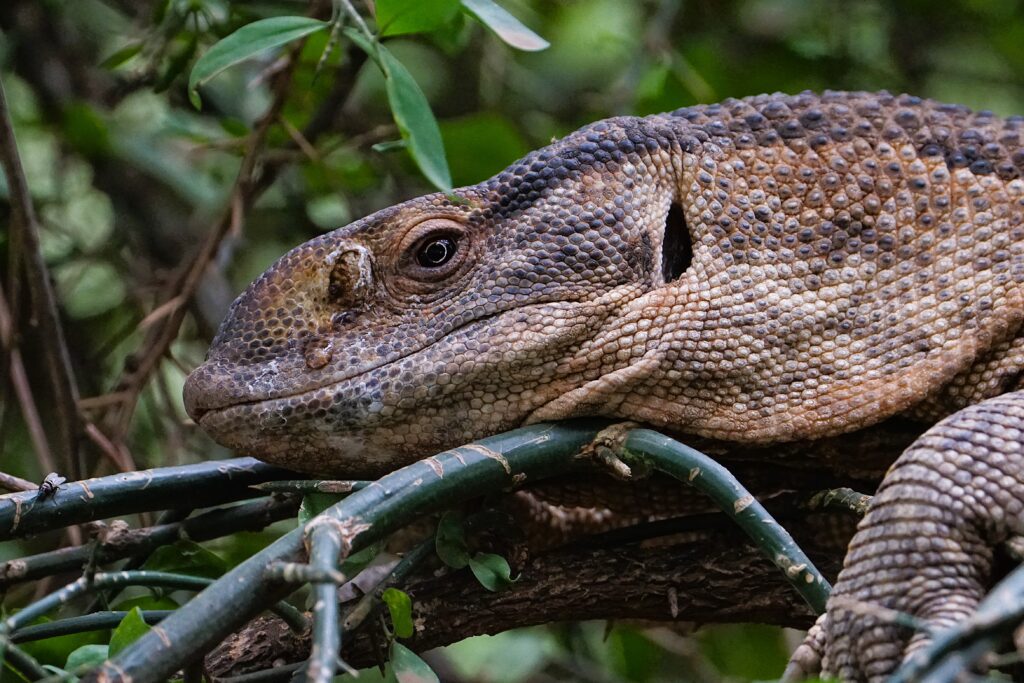
Varanus albigularis microstictus

Varanus albigularis microstictus Boettger, 1893

Africa, Tanzania

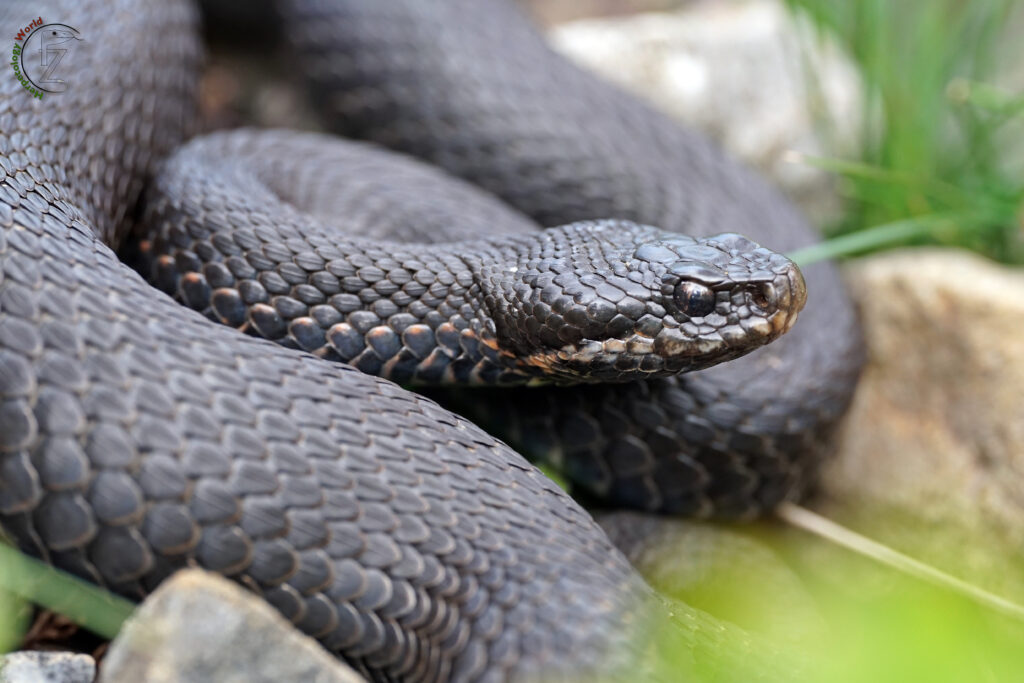
Vipera seoanei Lataste, 1879

Europe, France

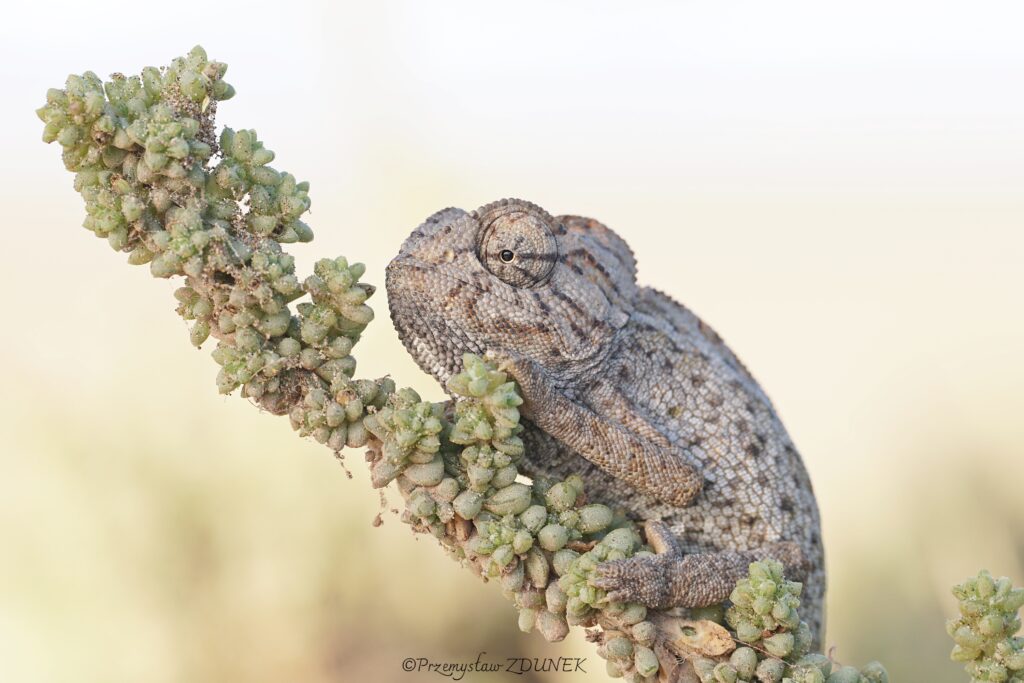
Chameleon chameleon (Linnaeus, 1758)

North Africa, Morroco

How You can reach me

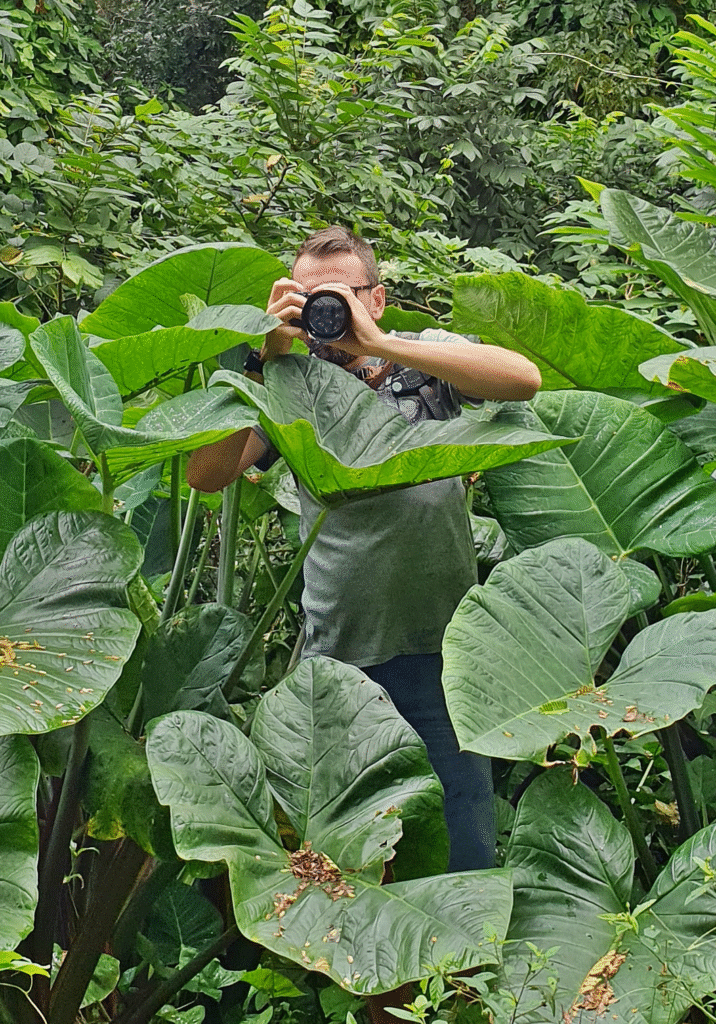
My expertise covers a wide range of topics related to wildlife conservation: population studies, inventories, field research planning, and monitoring protocols in different biotopes (desert, forest, jungle, and urban areas).

Checkboxes